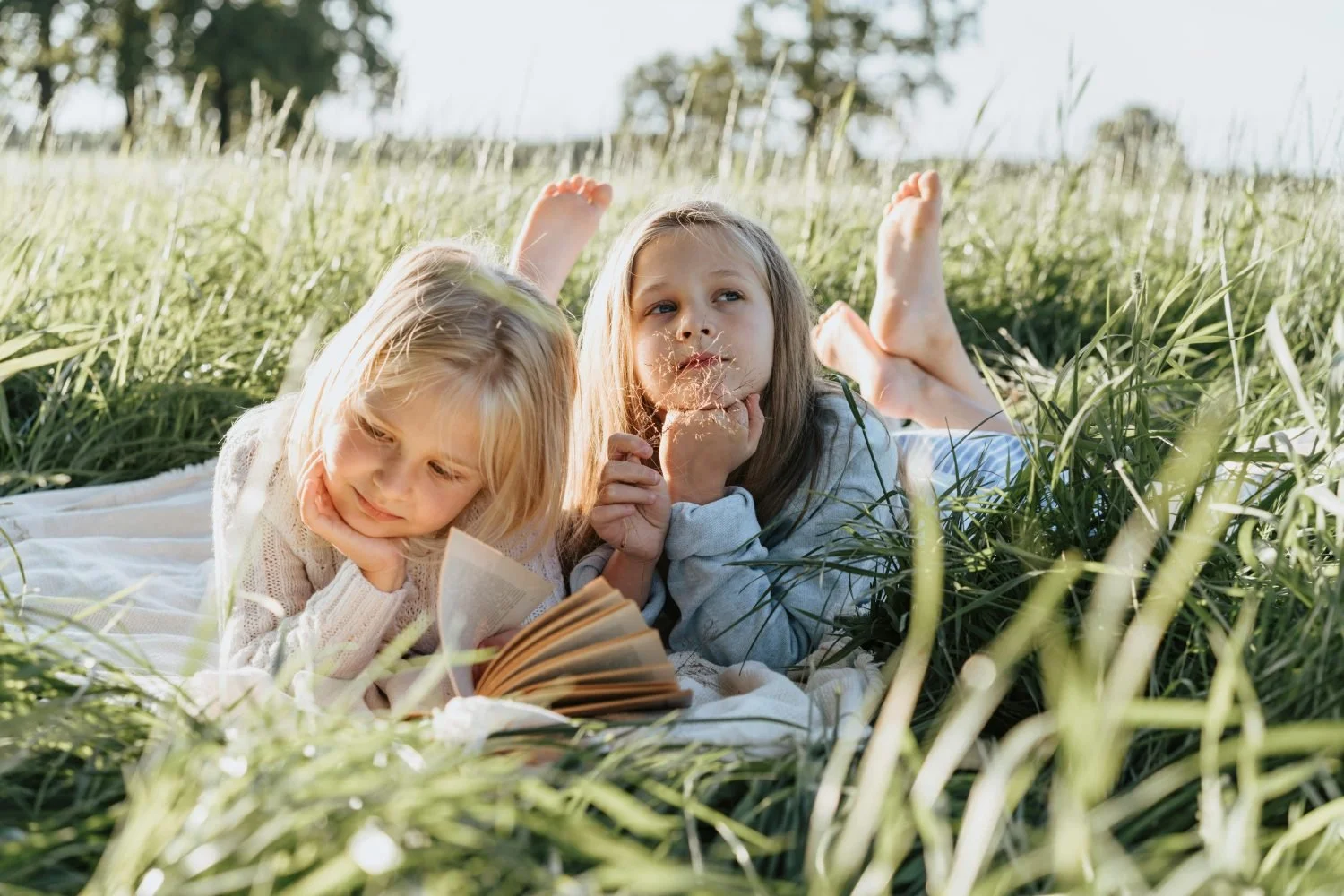
The Youthful Art of Stillness: Embracing the Pause in Nature’s Classroom
This article was originally written for Bam Radio Network; you can find the original publication here.
We dwell in a world that often moves rapidly. This is especially true for young children and stillness can feel rare. Between hectic schedules, relentless stimulation, and the natural energy of childhood, the idea of expecting a preschooler to “be still” is not always appropriate but it can be healthy in the right environment. Nature has a way of slowing us down organically, inviting even the busiest little bodies to pause, notice, and breathe.
This is the art of stillness. Finding healthy ways to encourage young children to discover the quiet magic that lives outdoors.
Why Stillness Matters
Stillness isn’t about forcing children to sit quietly or suppress their energy. Instead, it’s about creating space for them to develop a healthy skill set to manage their emotions. Slowing their breathing can calm big feelings, create a sense of safety, and sharpen observational skills to help them in noticing details like the hum of a bee or clouds taking shape overhead. Developing mindfulness is learning to live in the moment with awareness and curiosity. Building resilience and finding comfort in quiet moments that balance life’s excitement. When children experience stillness in nature, they begin to see the world not as something to rush through but as something to deeply experience. It’s finding small moments of joy to propel us forward in creating a magical life.
Simple Ways to Practice Stillness Outdoors
Implementing new strategies in nature-based learning environments doesn’t need to be complicated. There isn’t special equipment needed, extensive training, or hours of free time required for planning. Just a willingness to step outside and give children the gift of slowing down. Here are a few easy to implement ideas while activating the senses.
Visual:
The sense of sight. Looking up, a child sees the sky framed by the branches and leaves, noticing the way sunlight filters through the canopy. From a closer perspective, a child can observe small details like moss, lichens, and the homes of small insects hidden in the bark’s crevices. From a movement perspective children can watch leaves rustle in the breeze, shadows move across the ground, or a squirrel scamper up the trunk. Cloud watching is a simple, relaxing activity that children love. Spread out a blanket and lie on your backs together. Take turns watching clouds take shape while gently guiding children to notice patterns and encouraging patience and imagination.
Auditory:
The sense of hearing. A child can hear the distinct sounds of the wind moving through the leaves and branches, from gentle rustling to louder whooshing. Children can listen to birds chirping, woodpeckers pecking, or squirrels chattering. With focused attention, a child might hear the quieter sounds of the buzzing of an insect or the crackle of dry leaves. Turn a family walk after dinner into an active listening walk. Ask children to notice what they hear. Listen to the layers of sounds of birds, windchimes, traffic, etc. This shifts attention inward and outward at the same time.
Olfactory:
The sense of smell. Encourage children to smell the unique scent of the tree’s bark and wood, which may be woody, earthy, or piney. Especially after rain, the aroma of damp soil and surrounding foliage is pronounced. The fragrances change with the seasons, from the scent of fresh, new growth in the spring to the decaying leaves and mushrooms of autumn.
Tactile:
The sense of touch. Children are natural tree huggers! Invite children to feel the bark of trees with their eyes closed to sharpen their attention to sound and share what they notice. This simple sensory pause brings grounding. When children rest against trees, they receive calming sensory input through touch, sight, sound, and smell. This connection with nature can lower stress and promote relaxation.
Taste:
The sense of flavor. Engage children in outdoor cooking activities, where they can assist in preparing simple dishes and trying different foods together. This can help them become more confident in tasting and enjoying a variety of flavors. Plant sensory gardens that allow children to interact with the environment through their senses including edible plants, fragrant herbs, allowing children to harvest and taste them. Use books or stories that incorporate food to introduce children to new tastes and flavors, making learning fun and interactive. These activities not only enhance taste exploration but also promote sensory development and curiosity in children.
Breath:
The sense of breathing. While it is not one of the five traditional senses, breathing is the body’s perception of its internal state and is known as interoception. Incorporating simple breathing practices with children is a wonderful way to help them develop mindfulness, emotional regulation, and a deeper connection to nature. Breathing with nature by blowing dandelion fluff, imitating ripples on water, or taking deep breaths while watching leaves sway naturally guides the rhythm of slowing down. A fun activity is butterfly breathing. Children raise their arms slowly like butterfly wings while inhaling through the nose, then gently lower them while exhaling through the mouth. This activity combines movement with breath, helping children experience a calming experience while imagining they’re fluttering through the air. Movement enhances cognitive skills by improving blood flow to the brain, aids in memory, concentration, and learning ability. Encourage children to embrace different elements such as swaying like the wind or be still as a rock. Children love playful competition, and they’ll surprise you with how long they can hold the moment. Bodies in motion encourage social skills, such as cooperation and communication, through group activities and play.
A nature-based play environment wouldn’t be complete without well-being. Incorporating the art of stillness with children’s natural senses in a playful, outdoor environment fosters resilience, emotional regulation, and positive relationships, contributing to long-term success and happiness.
Children learn best by watching us. If you take time to sit quietly, notice the wind, or close your eyes and breathe, children will see stillness as something valuable. As with nature, perfection isn’t the goal. It’s simply being present together makes a difference. Nature becomes a lifelong refuge. And it all begins with a pause.